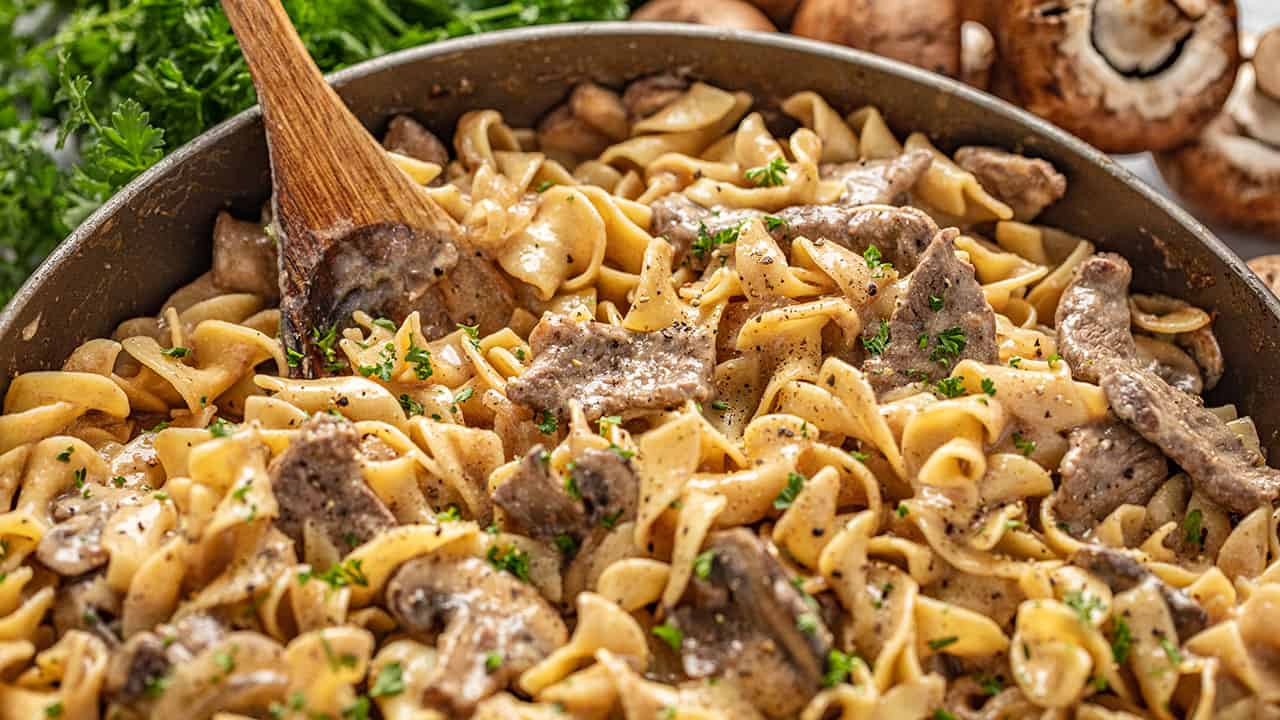
Ah, beef stroganoff. The very name conjures images of comforting, creamy richness, tender strips of beef, and a savory mushroom gravy that begs to be spooned over fluffy noodles. Yet, for many home cooks, this beloved retro classic can sometimes fall short, resulting in dry, chewy beef that disappoints rather than delights. If you've ever found yourself chewing your way through an otherwise delicious sauce, yearning for truly tender meat, you're not alone. The secret to never suffering through dry beef stroganoff again lies not just in your cooking technique, but fundamentally in one crucial decision: choosing the right cut of steak.
Forget the notion that any old beef will do. For a dish that cooks quickly and relies on inherent tenderness, the steak you select is paramount. This comprehensive guide will arm you with the knowledge to pick the perfect cut, ensuring every bite of your beef stroganoff is a testament to juicy, melt-in-your-mouth perfection.
The Foundation of Flavor: Why Your Steak Choice Matters for Beef Stroganoff
Unlike a slow-cooked stew where tougher cuts like chuck beef can transform into succulent morsels over hours, beef stroganoff is a quick-cooking affair. The delicate balance of searing and then finishing the beef in a rich, creamy sauce demands a cut that is naturally tender from the start. You simply can't "cook the tough out" of an unsuitable steak in a matter of minutes.
The key indicators for a great stroganoff steak are tenderness and marbling. Marbling, the fine streaks of fat woven throughout the muscle, is crucial. As it melts during cooking, it bastes the meat from within, imparting incredible juiciness, flavor, and a silky texture that's impossible to achieve with leaner, tougher cuts. A well-marbled steak not only promises a richer taste but also acts as insurance against dryness, even if slightly overcooked.
While the lightning-fast 30-Second Sear technique (which we'll touch on later) is vital for developing flavor and preventing overcooking, it can only truly shine when paired with an appropriate cut. Think of it as a partnership: the right steak provides the canvas, and the searing technique paints the masterpiece of flavor and tenderness.
Top Contenders: The Best Cuts for Unforgettable Beef Stroganoff
To achieve that sought-after tender, juicy perfection, you need to look for high-quality, inherently tender cuts. Here are the champions that consistently deliver for beef stroganoff:
Boneless Rib Eye (Scotch Fillet)
- Why it's great: Often considered the gold standard for its exceptional marbling and rich, buttery flavor. Rib eye is incredibly tender, making it ideal for quick-cooking methods like those used in stroganoff. The fat renders beautifully, contributing immensely to the gravy's depth and the beef's succulence.
- Characteristics: Abundant marbling, rich beefy flavor, very tender.
- Consideration: Can be on the pricier side, but the results are truly worth it for a gourmet experience.
Boneless Sirloin
- Why it's great: A fantastic all-rounder. Sirloin offers a wonderful balance of tenderness, robust beef flavor, and affordability compared to rib eye or tenderloin. It has good marbling, though generally less than rib eye, which still ensures a juicy outcome.
- Characteristics: Good tenderness, solid beef flavor, widely available, and usually a more budget-friendly option.
- Consideration: Choose top sirloin for the best tenderness; avoid bottom sirloin or sirloin tip roasts unless you're confident in their quality.
Beef Tenderloin (Filet Mignon)
- Why it's great: The undisputed king of tenderness. Beef tenderloin is incredibly lean and boasts a melt-in-your-mouth texture that's unmatched. If tenderness is your absolute top priority and cost is no object, this is an excellent choice.
- Characteristics: Exceptionally tender, very lean, mild beef flavor.
- Consideration: It is typically the most expensive cut and, for some, might be "overkill" for a dish where the sauce plays such a prominent role. Its leanness means less inherent flavor and less fat to contribute to the gravy compared to a rib eye, so ensure your sauce is robust.
Sirloin Steak Tips
- Why it's great: Often a more economical way to enjoy the qualities of sirloin. These are typically smaller pieces cut from the sirloin, offering good tenderness and flavor without buying a whole steak.
- Characteristics: Good tenderness, savory flavor, can be more cost-effective.
- Consideration: Ensure they are actual sirloin tips and not tough stew meat. Check for some marbling.
When selecting your steak, always look for a vibrant, deep red color and even distribution of marbling throughout the cut. Freshness is key for both flavor and texture.
Cuts to Avoid: Steer Clear of These for Quick Stroganoff
Just as there are stars of the stroganoff show, there are also cuts that are best left out of this particular recipe. Using the wrong beef can derail your entire dish, leading to the dreaded dry, chewy outcome we're trying to avoid.
Beef Round Steak (Topside/Bottom Round)
- Why to avoid: Many older or less informed recipes might suggest beef round steak due to its lower cost. However, this cut is inherently lean and tough, with very little marbling. It requires long, slow cooking in moist heat to become tender. For a quick-cooking dish like stroganoff, it will inevitably turn out dry, rubbery, and unpleasant to chew.
- Alternative use: Best reserved for slow cookers, braises, pot roasts, or thin slicing for dishes like Swiss steak where it benefits from extended simmering.
Chuck Beef (Chuck Roast, Stew Meat labeled "Chuck")
- Why to avoid: Chuck cuts are full of connective tissue, which breaks down into gelatin over many hours of cooking, making them incredibly tender and flavorful in stews and roasts. However, in a 30-minute recipe, this connective tissue remains tough and chewy.
- Alternative use: The absolute best for slow-cooked dishes like beef stew, pot roast, or chili. Not suitable for quick searing.
Understanding these distinctions is crucial. A tough cut cooked quickly will always be tough. Save these cuts for their intended purposes, and your stroganoff will thank you.
Beyond the Cut: Essential Tips for Tender Beef Stroganoff
While selecting the right cut is the foundation, a few key techniques will further guarantee your beef stroganoff achieves peak tenderness and flavor:
- Thin Strips are Key: Cut your chosen steak against the grain into thin, uniform strips (about 1/4 inch thick). This not only helps with quick cooking but also breaks up the muscle fibers, making the beef more tender to chew.
- The 30-Second Sear: This technique, truly a game-changer, ensures a beautiful golden crust for maximum flavor without overcooking. Heat your skillet until smoking hot, then sear the beef in small batches for no more than 30 seconds per side. It will still be quite raw at this stage, but don't worry – it finishes cooking gently in the gravy. Overcrowding the pan will steam the meat instead of searing it, so work in batches. For more on this crucial step, check out Secrets to Tender Beef Stroganoff: The 30-Second Sear & Best Cuts.
- Don't Overcook in the Gravy: The beef strips are added back to the simmering gravy at the very end and only cooked for a few minutes until just done. Keep a close eye on them; the moment they lose their pink, they're ready.
- Gentle Reheating: If you're lucky enough to have leftovers, reheat beef stroganoff gently over low heat, stirring frequently, to prevent the beef from toughening up. It reheats beautifully and can even be frozen and thawed without the sour cream separating.
Crafting the Perfect Stroganoff Experience: More Than Just Meat
While the beef is undeniably the star, the supporting cast of ingredients and a well-executed sauce elevate beef stroganoff from good to absolutely amazing. An incredible sour cream mushroom gravy is the dish's soul, coating every tender piece of beef and providing a luxurious counterpoint to its richness.
A classic stroganoff sauce is typically a blend of sautéed onions and mushrooms (which add both flavor and help stretch the meal), beef broth, a touch of mustard (like Dijon) for tang and depth, and often thickened with a bit of flour before being finished with a generous dollop of sour cream. The resulting pale brown, creamy gravy contrasts beautifully with the deep golden-brown seared beef, creating a feast for both the eyes and the palate.
To complete your meal, serve your perfect beef stroganoff over a vehicle that can soak up every last drop of that gorgeous gravy. Classic choices include wide egg noodles, pasta, or creamy mashed potatoes. For a low-carb alternative, cauliflower mash works wonderfully. For a complete guide to bringing all these elements together, including the creamy mushroom gravy, read our Easy 30-Minute Beef Stroganoff: Juicy Beef & Creamy Mushroom Gravy article.
By understanding the critical role of steak selection and combining it with smart cooking techniques, you can transform your beef stroganoff into a consistently tender, flavorful, and truly unforgettable dish. Say goodbye to dry, chewy beef and hello to culinary perfection every time!
